Gaithersburg, MD · Montgomery County
Fire Odor Removal in Gaithersburg, MDThermal Fogging Deodorization & HVAC Duct Smoke Cleaning
Fire Odor Removal in Gaithersburg includes whole-house air scrubbing, thermal fogging deodorization, and ozone treatment for smoke odor.
Answered 24/7
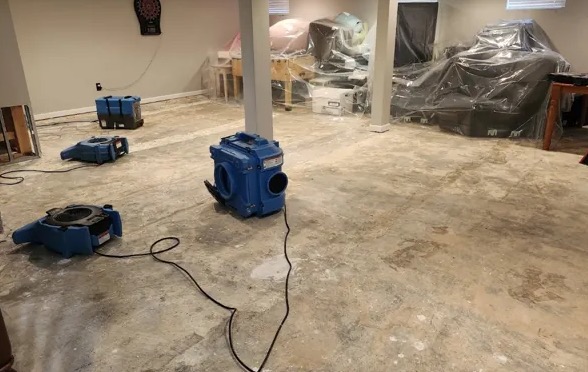
Fire Odor Removal Experts Serving Gaithersburg
Smoke odor is a mix of gases and fine particles that cling to surfaces and fabrics and can irritate eyes and throats. Different residues need different treatments.
For homes in Gaithersburg and nearby Montgomery Village, Germantown and Rockville, treating the air alone is not enough because odor binds to surfaces. Local pros clean, deodorize, and then seal porous materials.
Comprehensive Fire Odor Removal Services
Thermal Fogging Deodorization
The fog travels the same way smoke did, into wood, drywall, and insulation, which makes it useful for greasy kitchen fire odors.
HVAC Duct Smoke Cleaning
Pros clean ducts with brushes, vacuums, and cleaning agents, from the main trunks to each register, so soot is not blown back into rooms.
Surface Sealing for Residual Odor
Pros find surfaces that absorbed smoke and still smell after cleaning, then coat them so odor cannot seep back out.
Electrostatic Soot Removal
Removing dry soot this way keeps it from being ground into surfaces, so hard surfaces come clean throughout the home.
Ozone Treatment for Smoke Odor
Ozone generators oxidize odor compounds in the air and on surfaces, which helps with strong chemical smells from burned plastics.
Indicators That DIY Odor Removal Has Failed
Stinging Sensation in Eyes or Throat
Stinging eyes or a scratchy throat indoors can come from smoke particles still in the air after the fire is out.
Odor Stronger on Humid Days
A smoke smell that gets stronger on damp days means odor is trapped in porous materials and released when moisture rises.
Persistent Smoky Odor in Rooms
A fire smell that stays in several rooms after cleaning means odor has soaked into the building, not just the surfaces.
Soot Residue on Walls and Ceilings
Black or gray soot on walls and ceilings shows smoke residue that household cleaners tend to smear rather than remove.
How Fire Odor Removal Works in Gaithersburg
Step 1: Comprehensive Soot Removal
Dry and wet cleaning remove visible soot, which carries much of the lingering smoke odor.
Step 2: Deep HVAC System Decontamination
The HVAC system is cleaned and deodorized, since dirty ducts are a common source of returning smells.
Step 3: Advanced Oxidizing Treatments
Ozone or hydroxyl treatment breaks down odor molecules left in the air and in porous materials.
Step 4: Final Deodorization and Cleaning
A final round of cleaning and deodorizing follows, and pros check each room for odor before finishing.
Common Causes of Persistent Fire Odor
Smoke Penetration Into Porous Materials
Smoke odor soaks deep into drywall, wood, and insulation, which then release the smell for months if left untreated.
Residual Oils From Incomplete Combustion
Oily residue from burned materials keeps giving off odor long after the fire is put out.
Absorption Into Soft Furnishings
Couches, carpets, and drapes trap smoke odor and release it slowly for weeks after the fire.
Secondary Water Damage
Water used to fight the fire can spread soot into new areas and carry odor into floors and wall cavities.
Whole-Building Deodorization for Gaithersburg Residences and Offices
Residential Fire Odor Removal
Homeowners need both the structure and their belongings treated. Pros clean personal items and fog the building so the smell leaves the whole living space.
Commercial Fire Odor Removal
Restaurants and stores need merchandise, equipment, and ductwork cleaned so smoke odor does not drive customers away after reopening.
The Limits of DIY Fire Odor Elimination
Wash dishes, glassware, and metal fixtures that have a smoky film. Do not run ozone machines yourself in occupied spaces; whole-house odor needs professional air scrubbing and treatment.
The Value of Complete Odor Elimination
Sealing porous surfaces after cleaning adds material and labor, but it keeps any trace odor from coming back later.
Building Square Footage
Larger buildings need more labor time and more deodorizing solution to cover every room.
Content Cleaning Scope
The number and type of belongings to clean, and whether they go off-site, affect time and cost.
HVAC System Contamination
Cleaning ducts and HVAC parts adds equipment time and access work to the job.
Does Insurance Cover Fire Odor Removal?
Your insurer decides whether fire odor removal is covered. Local smoke odor elimination experts in Gaithersburg provide documentation for the claim file, and final approval rests with the insurance company.
Selecting the Right Smoke Odor Elimination Experts for Your Project
Thorough Soot Removal
Electrostatic cleaning removes fine soot from surfaces, which has to happen before deodorizing can work.
Content Salvage Focus
Belongings are cleaned and deodorized so items that might otherwise be thrown out can often be kept.
IICRC-Standard Deodorization Methods
Pros follow established smoke odor protocols, treating odor at its source instead of covering it with fragrance.
24/7 Emergency Fire Odor Removal Response
Deodorizing works better before odor settles deep into walls and furniture. Call (301) 281-4960 at any hour for an initial assessment of the smoke damage.
Call Now (301) 281-4960Your Fire Odor Removal Questions Addressed
Will opening windows get rid of smoke smell in home?
Airing out helps with smoke in the air at first, but it does not remove odor soaked into walls, furniture, and carpet.
Is whole-house air scrubbing run continuously?
Yes. Industrial HEPA scrubbers run for long periods through the cleanup, filtering fine soot and odor particles from the air.
What happens during content decontamination and cleaning?
Belongings are listed, cleaned with methods suited to each material, and often deodorized so they can be kept instead of discarded.
How does thermal fogging deodorization work?
A heated deodorant is turned into a fine fog that travels into porous materials and breaks down odor molecules where cleaning cannot reach.
What is the first step in smoke damage cleanup?
Pros assess the damage, then remove burned debris and soot-covered materials so deep cleaning can begin.