Gaithersburg, MD · Montgomery County
HVAC Fire Damage Cleanup in Gaithersburg, MDHVAC Smoke Odor Removal & Vent Register Cleaning
HVAC Fire Damage Cleanup in Gaithersburg involves HVAC smoke odor removal, air duct soot removal, and vent register cleaning.
Answered 24/7
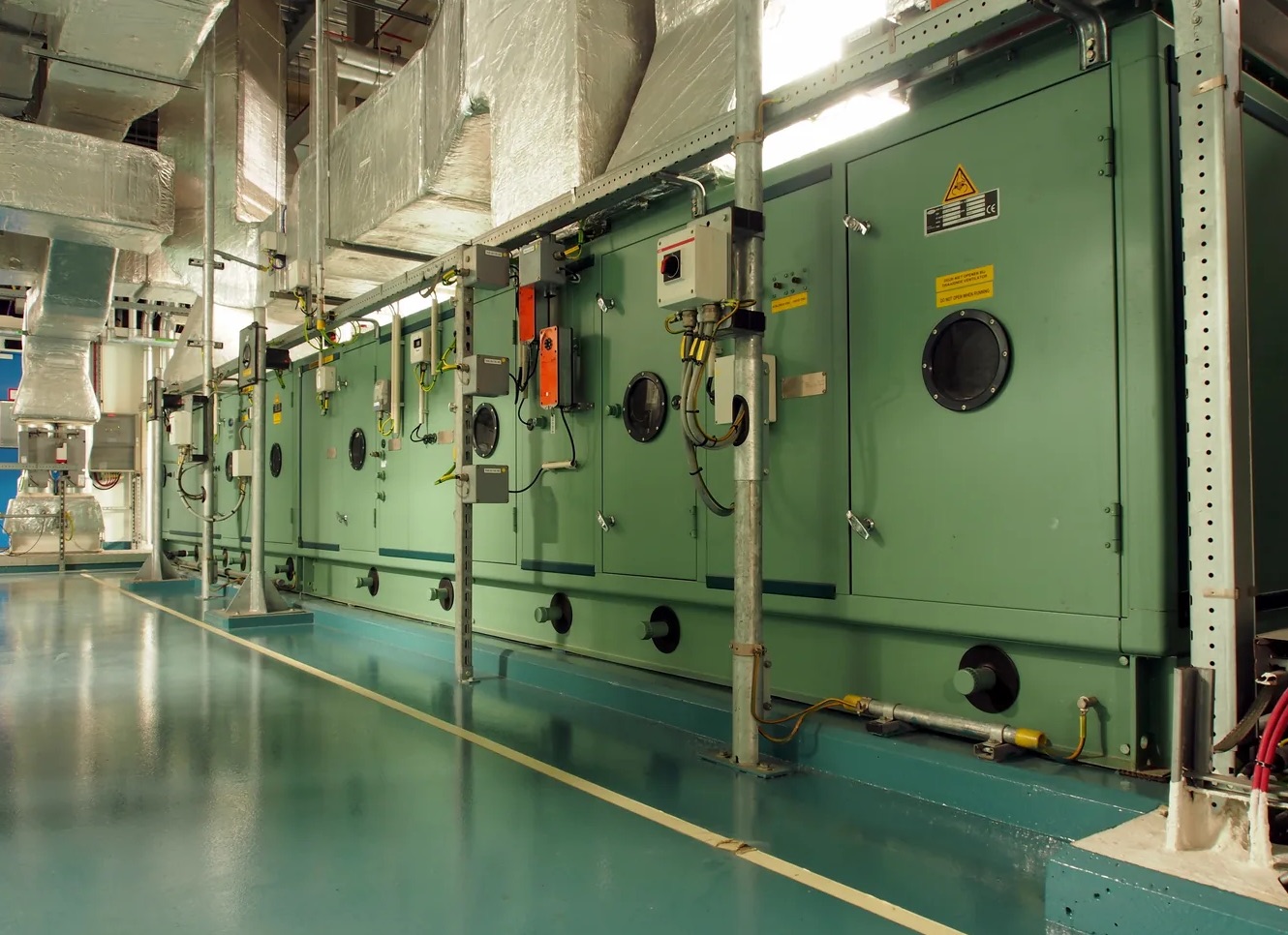
Expert HVAC Fire Damage Cleanup Services for Gaithersburg Homes
In Gaithersburg, post-fire HVAC smoke cleaning is important because soot and odors trapped in the system can be redistributed throughout the home, continually polluting the air you breathe. Local HVAC smoke cleaning pros inspect components and remove soot from ducts.
For HVAC deodorizing in Gaithersburg and nearby Montgomery Village, Germantown and Rockville, call the pros. Duct sealing and air testing confirm air quality. They also clean air handlers and ducts.
Complete HVAC Fire Damage Cleanup Solutions for Gaithersburg
HVAC Smoke Odor Removal
Persistent smoke odors in homes often originate from the ductwork. The pros in Gaithersburg neutralize odors at the source inside the HVAC system so they do not recirculate.
Vent Register Cleaning
It cleans the last stage of the air delivery system. The pros hand-clean each piece, sometimes using ultrasonic cleaning for intricate grille designs to restore them.
HVAC System Decontamination
It also removes chemical residue. The pros in Gaithersburg use EPA-registered cleaning agents designed for HVAC systems to sanitize and decontaminate affected mechanical parts.
Post-Restoration Air Quality Testing
Lingering smoke odor in an HVAC system is a common post-fire complaint. A thorough deodorization protocol addresses odors trapped in fiberglass lining, filters, and metal surfaces. The smell no longer comes back every time the system runs.
Post-Cleaning Air Testing
This final step confirms the result. While not a full laboratory analysis, it helps confirm that the cleaning process has significantly reduced airborne contaminants from the HVAC system.
When to Consider HVAC Fire Damage Cleanup for Your Home
Soot Residue on Air Vents
Find dark, greasy soot particles accumulating on your supply and return air vents throughout the property.
Reduced Airflow From Registers
Feel weaker airflow from vents, which can be caused by soot clogging filters or coating duct interiors.
Respiratory Irritation Indoors
Experience coughing, sneezing, or itchy eyes when the HVAC system is running after a fire incident.
Furnace or AC Short Cycling
HVAC equipment turns on and off too frequently, a potential sign of soot on sensors or components.
How HVAC Fire Damage Cleanup Works in Gaithersburg
Step 1: Containment and Preparation
The pros first contain the work area to prevent soot spread. They prepare your HVAC system for the intensive smoke damage duct cleaning process.
Step 2: Mechanical Soot Extraction
Using HEPA vacuums and brushes, the pros execute soot removal from HVAC components. This mechanical cleaning clears loose debris from all duct surfaces.
Step 3: Deodorization and Sanitization
For HVAC system deodorization, the pros apply professional-grade deodorizers. This neutralizes smoke odors trapped within the air handler and duct lining.
Step 4: Air Quality Validation
The last step involves validating air quality with specialized meters. The pros confirm the air meets acceptable standards.
Sources of Smoke Damage to HVAC Systems
Electrical Short or Overheat
An electrical malfunction within walls or an appliance can produce acrid smoke that enters the air ducts.
Chimney or Fireplace Backdraft
Smoke from a malfunctioning fireplace can be drawn into the HVAC return system, spreading soot everywhere.
Candle or Incense Soot Buildup
Long-term burning of candles or incense releases fine soot that is pulled into HVAC returns over time.
Overheating Appliance or Wiring
An appliance like a dryer or faulty wiring smolders, producing smoke that is distributed by the air system.
Both Residential & Commercial HVAC Fire Damage Cleanup in Gaithersburg
Residential HVAC Fire Damage Cleanup
In homes, smoke in ducts needs full odor removal. The pros use IICRC-standard methods for air duct smoke damage cleanup. They address vents, filters, and the air handler to restore air quality after a fire.
Commercial HVAC Fire Damage Cleanup
For businesses, duct cleaning removes odors that put off customers and staff. Commercial HVAC restoration services focus on large ductwork systems and specialized equipment like kitchen hoods. Post-cleaning air testing provides documentation that the work environment is safe for occupancy and operations.
HVAC Fire Damage Cleanup vs. DIY: When to Call HVAC System Cleaning Pros
You can safely remove surface soot from walls and ceilings near the HVAC vents using a dry chemical sponge to avoid smearing. It is also prudent to keep the affected area well-ventilated. For confirmed smoke in the ducts, call the pros to clean the whole system.
HVAC Fire Damage Cleanup Cost in Gaithersburg, MD
Cost factors include the number of vents and registers needing cleaning after smoke damage. The complexity of the HVAC system decontamination also influences the final estimate.
Sealing and Testing
Duct sealing and air testing are optional and add steps and cost to the job.
Filter and Component Needs
The number of filters replaced and system parts that need cleaning affect material costs.
Odor Penetration Depth
Smoke odor that has soaked into duct lining or insulation takes extra deodorizing steps.
Does Insurance Cover HVAC Fire Damage Cleanup?
Insurance reimbursement for professional duct cleaning after smoke damage is a policy decision. The pros document the air quality after fire and the cleaning process. Homeowners should discuss coverage specifics with their insurer.
Advantages of Hiring Local Pros in Gaithersburg
Filter and Vent Cleaning
Air filter replacement service and vent and register cleaning are included to restore full system airflow and filtration.
Comprehensive System Inspection
A detailed HVAC component inspection identifies all areas affected by smoke to plan a complete cleaning strategy.
Focused Service Scope
The work focuses only on HVAC systems, from the air handler to the vents.
24/7 Emergency HVAC Fire Damage Cleanup in Gaithersburg
Don't let smoke odors linger in your ducts after a fire. Help is available for air duct smoke damage cleanup. Reach the pros anytime at (301) 281-4960 for emergency service.
Call Now (301) 281-4960Common HVAC Fire Damage Cleanup Questions Answered
Can smoke damage my HVAC system?
Yes, smoke and soot can coat internal components, reduce efficiency, and cause corrosion, making HVAC smoke cleaning a protective measure.
How long does HVAC smoke cleaning take?
The timeline depends on system size and contamination level, but most residential HVAC system deodorization projects are completed in a day.
Is duct cleaning after fire messy?
The pros use containment methods to minimize mess during cleaning. Soot is extracted directly into sealed collection devices, helping to prevent its spread in the home.
Why is an HVAC component inspection important?
Inspection finds every affected part, like the blower and coils, so the cleaning plan covers them all.
Why is HVAC smoke odor removal necessary?
Smoke odors can recirculate through your system, affecting air quality after fire. Professional removal eliminates the source to prevent persistent smells.