Gaithersburg, MD · Montgomery County
Smoke Ventilation Services in Gaithersburg, MDSmoke Control System Maintenance & Kitchen Smoke Ventilation
Kitchen smoke ventilation, emergency smoke ventilation and smoke control system maintenance are part of smoke ventilation services in Gaithersburg.
Answered 24/7
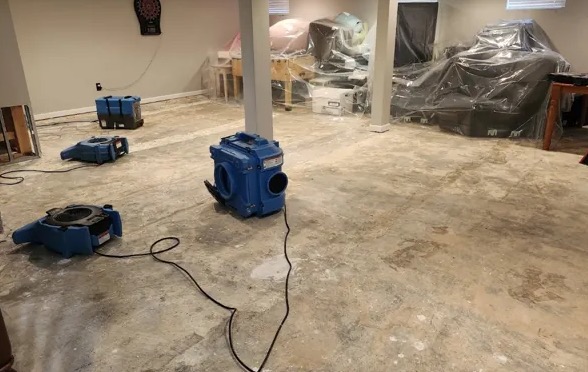
Local Smoke Ventilation Services for Gaithersburg Properties
A smoke ventilation system keeps exit routes clear during a fire across Gaithersburg. When fans, vents or controls fail, smoke spreads farther and leaves more damage, so local smoke damage pros check the whole system.
Building codes in Gaithersburg expect smoke to be removed quickly so people can get out. The pros repair, test and clean systems for owners in Gaithersburg and neighboring communities like Montgomery Village, Germantown and Rockville.
Comprehensive Smoke Ventilation Services in Gaithersburg
Smoke Control System Maintenance
Pros test backup batteries, clean fan blades and calibrate sensors so small issues do not become a total failure.
Kitchen Smoke Ventilation
The pros review the cooking equipment and layout to choose a hood system that fits the kitchen.
Smoke Ventilation System Testing
Scheduled annual or semi-annual tests catch small faults early, and owners receive a written report of findings.
Smoke Ventilation System Installation
Exhaust units and intake vents go where airflow calculations for the building's layout show they will work well.
Emergency Smoke Ventilation
Fast extraction shortens the time acidic soot has to settle into walls, ceilings and the contents of the building.
Signs Your Smoke Ventilation Isn't Working
Wet or Damp Insulation Near Vents
Damp insulation near vents means water is getting in, which can corrode ducts and short controls.
Activated Smoke Detectors But No Ventilation
Alarms sound but the fans and vents never start, which lets smoke and fumes build up indoors.
Recent Fire With No System Activation
A small kitchen fire that did not start the system is a serious warning that something is wrong.
Inoperative Ventilation System Fans
Fans that do not start during a test are a serious failure that needs repair before a real fire.
How Smoke Ventilation Services Work in Gaithersburg
Step 1: Emergency Smoke Ventilation Assessment
Pros check smoke density and the affected zones to choose how to ventilate the building.
Step 2: Strategic Vent Opening and Fan Placement
Designated vents are opened and portable fans are placed to create a controlled path for smoke to leave.
Step 3: Active Smoke Extraction Operation
Fans pull smoky air out while fresh air comes in, clearing the space as quickly as possible.
Step 4: Air Quality Verification and System Reset
Air quality is checked, and the permanent system is tested and reset to normal standby.
Why Smoke Ventilation Systems Malfunction
Faulty or Outdated Smoke Sensors
Faulty or outdated smoke sensors may not detect smoke, so the system never starts.
Accumulated Grease in Kitchen Ducts
Grease from cooking exhaust builds up in kitchen ducts and is a leading cause of kitchen system failure.
Incorrect Initial System Installation
Undersized ducts or poorly placed fans from the original installation limit performance from the start.
Power Surges or Electrical Faults
Power surges and electrical faults can damage control boards and motors so the system will not start.
Residential & Commercial Smoke Ventilation Services Solutions
Residential Smoke Ventilation Services
Homes may use automatic roof vents or dedicated fans to clear smoke from attics and upper floors, and pros assess and repair these systems.
Commercial Smoke Ventilation Services
Warehouses and stores rely on large mechanical systems, and a failure can mean heavy smoke damage and a long shutdown, so maintenance is key.
Professional Smoke Ventilation Services or DIY Repair?
Learn where the manual override controls are, if your system has them, and how to start the system if the panel fails. Leave troubleshooting, upgrades and testing to the pros.
Factors Affecting Smoke Ventilation Services Cost
Building size and the complexity of the ductwork affect pricing, and an inspection sets the methods each job needs.
Emergency Timing
A 24/7 response for urgent problems at night or on weekends may be priced higher than scheduled work.
System Size
Larger buildings need more fans and ductwork, which adds labor and materials to the project.
Maintenance Frequency
A regular maintenance plan is priced differently than a single one-time inspection visit.
Does Insurance Cover Smoke Ventilation Services?
Testing and inspections are usually routine upkeep. If testing finds damage from a sudden covered event, the repairs may be claimable, so confirm with your insurer.
Selecting Smoke Damage Pros for Smoke Ventilation Services in Gaithersburg
Focused Repair Approach
Repairs target the specific failed part, such as a fan or damper, instead of replacing everything.
Commercial System Expertise
Larger commercial systems in offices and stores get service suited to their zones and controls.
IICRC-Standard Methods
Assessment, cleaning and repair follow accepted industry methods for smoke control systems.
Urgent Smoke Ventilation Services Needs in Gaithersburg
A failed smoke control system is a safety risk. For urgent smoke removal at any hour, call (301) 281-4960 so the pros can assess the problem.
Call Now (301) 281-4960Frequently Asked Questions About Smoke Ventilation Services
What's the difference between commercial and residential smoke ventilation?
Commercial systems are larger, with zoned controls and stronger fans for big spaces like atriums and halls.
What is involved in a smoke ventilation inspection?
Visual checks of all parts, tests of the start sequence, airflow measurements and notes on any faults.
What are common issues with kitchen smoke ventilation?
Clogged grease filters, undersized ducts with weak suction, burned-out fan motors and poorly placed exhaust outlets.
Why is smoke ventilation maintenance necessary?
It keeps motors lubricated, wiring secure and sensors calibrated so the system does not fail without warning.
What are signs of a failing smoke control system?
Weak airflow, noisy fans, failure to start during a test, or soot around duct openings from a blockage.