Gaithersburg, MD · Montgomery County
Water Damage Assessment in Gaithersburg, MDHidden Water Damage Inspection & Drying Equipment Plan Development
Water Damage Assessment for Gaithersburg includes water leak source detection, moisture mapping, and structural damage inspection.
Answered 24/7
Detailed Water Damage Assessment in Gaithersburg
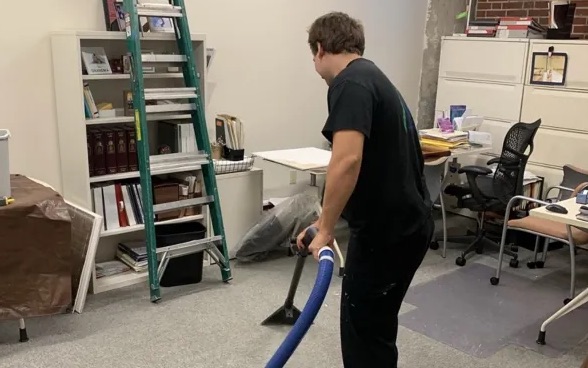
For properties in Gaithersburg, water damage assessment provides a foundation for safe, effective restoration by classifying the water type and extent of saturation. Local water removal experts in Gaithersburg execute detailed inspections to inform drying strategies.
In Gaithersburg, a water damage evaluation maps moisture, checks the structure and lists damaged contents. The experts also serve places such as Montgomery Village, Germantown and Rockville.
Complete Water Damage Assessment Process for Gaithersburg
Hidden Water Damage Inspection
Water does not stop at the surface. The experts use meters to check for dampness in framing and insulation, since finding it early is key to a lasting repair.
Drying Equipment Plan Development
An effective drying strategy is based on assessment findings. The experts calculate necessary equipment like air movers and dehumidifiers for the affected area.
Structural Damage Inspection
The strength of a property's framework must be verified. The experts look for water stains, softened areas, and unusual odors that indicate deeper structural issues.
Water Damage Report
A clear record of the event is needed. The water damage documentation report from the experts details all findings with photos and sensor data.
Water Leak Source Detection
Stopping the flow is the first goal. The experts conduct a methodical inspection to find active leaks, from drips to major failures.
Do You Need a Water Damage Inspection in Gaithersburg?
Peeling Paint or Wallpaper
Blisters or peeling finishes on walls often mean trapped moisture is compromising the adhesive and drywall behind the surface.
Warped or Buckling Flooring
Hardwood floors that cup or laminate that buckles point to moisture underneath and possible structural damage.
Rust on Pipes or Appliances
Corrosion on metal pipes, water heater tanks, or under sinks can be a symptom of persistent condensation or minor leaks.
Stained or Sagging Insulation
Discolored, damp, or drooping insulation in an attic or crawlspace is a red flag for ongoing water infiltration.
How Water Damage Assessment Works in Gaithersburg
Step 1: On-Site Visual Damage Survey
The experts begin with a walkthrough to document all visible signs of flooding, staining, and material damage, forming the basis of the home water damage evaluation.
Step 2: Advanced Leak Source Detection
Using specialized tools, the pros pinpoint the exact origin of the water intrusion, whether it's a plumbing leak, roof failure, or other source.
Step 3: Structural Integrity and Content Assessment
A structural damage inspection checks walls, floors, and ceilings for compromise. A simultaneous content and belongings evaluation identifies items that can be saved or restored.
Step 4: Restoration Roadmap Development
From the readings, the experts plan the drying equipment, what has to be removed and how long the work should take.
What Leads to Water Damage in Gaithersburg Homes
Roof Leaks and Compromised Flashing
Damaged shingles, cracked flashing, or clogged gutters allow water to seep into attics and walls during rainstorms.
Severe Weather and Flooding
Heavy rain and flash floods can overwhelm drainage and push water into a building quickly.
Appliance Malfunctions and Failures
Water heaters, washing machines, dishwashers, and refrigerators can leak due to worn hoses, faulty valves, or internal tank failures.
Sprinkler System or Irrigation Leaks
Broken sprinkler heads or underground line leaks can saturate soil next to a foundation, promoting water intrusion and mold.
Water Damage Assessment for Gaithersburg Homes and Businesses
Residential Water Damage Assessment
In condos and houses, the assessment checks damp areas like crawl spaces for mold risk, which shapes the drying plan.
Commercial Water Damage Assessment
For restaurants and hotels, the experts check kitchens, laundry areas and guest rooms so health concerns are part of the cleanup plan.
Water Damage Assessment vs. DIY: When to Call Water Removal Experts
Removing excess water from hard surfaces with a mop or wet vacuum is a reasonable first step for a small, clean water incident. Do not attempt to pull up saturated carpet or padding yourself.
What Affects Your Water Damage Assessment Price in Gaithersburg
In Gaithersburg, cost depends on the time spent evaluating contents and mold risk, and how hard the leak is to reach.
Extent of Water Intrusion
The size of the leak and the number of rooms affected set how long the inspection takes.
Drying Plan Complexity
Developing a detailed drying equipment plan for a large-scale flood damage assessment influences the initial evaluation phase.
Documentation for Insurance
A detailed report with photos and moisture readings for a claim takes extra time.
Does Insurance Cover Water Damage Assessment?
Insurance coverage for water damage assessment in Gaithersburg depends entirely on your policy's cause-of-loss provisions. The experts document all damage with photos and moisture readings for your claim submission.
Why Choose Local Experts for Water Damage Assessment in Gaithersburg
Structural Integrity Evaluation
The inspection checks building materials for structural damage before any repairs are planned.
Mold Risk Identification
The assessment includes evaluating conditions for mold growth after water damage to inform necessary next steps.
Comprehensive Damage Report
You receive a thorough water damage report detailing source detection, structural inspection, and content evaluation findings.
24/7 Water Damage Assessment Available in Gaithersburg
After a leak or flood, an early inspection limits damage. Call (301) 281-4960 24/7 to have the source found and the damage recorded.
Call Now (301) 281-4960Frequently Asked Questions About Water Damage Assessment
What is the difference between water damage inspection and restoration?
Inspection is the diagnostic phase that assesses and documents the damage. Restoration is the physical work of drying, cleaning, and repairing based on that assessment.
How is structural damage from water evaluated?
Structural damage inspection involves checking building materials like drywall, wood, and subfloors for swelling, warping, and loss of integrity using visual and moisture probes.
What does a water damage report include?
The report details findings from all inspection phases, including photos, moisture readings, identified sources, damage descriptions, and the recommended restoration scope.
Why is moisture mapping important after a leak?
It records every affected area on a map, which guides drying and supports an insurance claim.
What is included in a water damage assessment?
Leak source detection, moisture mapping, structural inspection and water category determination, ending with a written restoration scope.