Gaithersburg, MD · Montgomery County
Floor Mold Removal in Gaithersburg, MDMold Odor Elimination & Basement Mold Cleanup
Floor Mold Removal in Gaithersburg cover basement mold cleanup, black mold remediation and crawl space mold abatement.
Answered 24/7
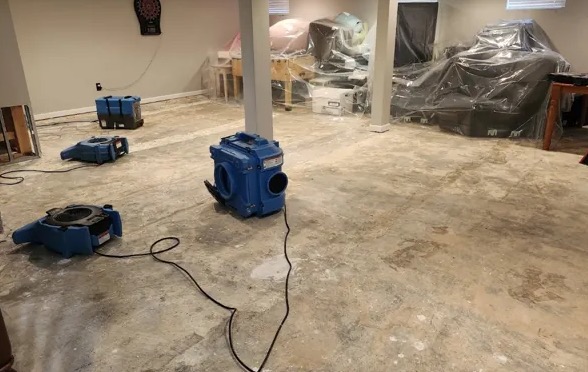
Mold Cleanup After Water Damage in Gaithersburg
In Gaithersburg, mold problems often follow a roof leak, plumbing leak or flood that was not fully dried. Finding that old water damage is the first step.
In Gaithersburg, mold often shows up after a leak under a sink, a roof leak or a flood that was not fully dried. Local mold remediation specialists also handle mold in Montgomery Village, Germantown and Rockville.
Floor Mold Removal Offered in Gaithersburg
Mold Odor Elimination
Odor treatment works only after the moldy material is gone. The pros remove the source, dry the area and use air filtration to clean the air.
Basement Mold Cleanup
Basement mold grows where walls stay damp from seepage or high humidity. The pros clean concrete and framing, remove moldy drywall and recommend ways to keep the space dry.
Mold Inspection Services
Inspection comes before removal. The pros look for mold, measure moisture in walls and floors and explain what needs to be removed and what can be cleaned.
Post-Flood Mold Remediation
Mold can start within a day or two after flooding if materials stay wet. The pros remove soaked drywall and flooring, clean the framing and dry the structure.
Black Mold Remediation
Dark mold on drywall or wood is handled the same way as any large mold patch: the area is sealed off, damaged material is removed and the framing behind it is cleaned.
When to Call for Mold Inspection in Gaithersburg
Warped Floors or Swollen Trim
Wood floors that cup and trim that swells have absorbed moisture. Mold can grow underneath before anything is visible.
Past Water Damage That Was Not Dried
A leak or flood that was mopped up but not dried with equipment can leave moisture in walls and floors, where mold grows later.
Visible Mold on Walls or Ceilings
Black, green or gray spots on drywall, ceilings or trim are visible mold. Larger patches usually mean more is hidden behind the surface.
Damp Basement or Crawl Space
A lower level that always feels damp or smells musty is a common place for mold on walls, joists and stored items.
How Floor Mold Removal Works in Gaithersburg
Step 1: Finding the Moisture Source
Mold needs water. The pros find the leak, condensation or seepage behind it so it can be fixed.
Step 2: Setting Up Containment
The work area is sealed off and air scrubbers run so spores do not spread to clean rooms.
Step 3: Black Mold Removal
Affected drywall and trim are cut out and bagged, and the wood behind them is cleaned.
Step 4: Air Filtration and Drying
Air scrubbers clean the air while dehumidifiers dry the framing and remaining materials.
Common Causes of Indoor Mold
Slow Plumbing Leaks
Drips under sinks, behind toilets and inside walls can go unnoticed for months, keeping wood and drywall wet enough for mold to grow.
Overflowing Gutters
Gutters that overflow dump water next to the foundation, where it can seep into crawl spaces and lower walls.
Roof Leaks
Rain getting through damaged shingles or flashing wets attic insulation and sheathing, and mold often follows on the roof deck and framing.
Basement Seepage
Water seeping through foundation cracks keeps basement walls and floors damp, which leads to mold on drywall, framing and stored boxes.
Mold Removal for Homes and Businesses in Gaithersburg
Residential Floor Mold Removal
For rental homes and condos, the pros document the mold and the moisture source, which helps owners, tenants and insurers sort out the repair.
Commercial Floor Mold Removal
Property managers with several affected units get each one inspected and cleaned, with records kept for each unit.
When DIY Mold Cleanup Is Enough
Scrubbing large mold patches yourself can spread spores to other rooms. Professional containment and air filtration keep the rest of the house clean while mold is removed.
Floor Mold Removal Cost in Gaithersburg, MD
Pricing reflects labor, containment setup, air filtration, disposal of moldy materials and the days of drying needed after removal.
Testing and Inspection
Mold testing is optional in many cases, but when it is needed it adds lab fees to the total.
Materials Affected
Drywall, insulation and carpet with mold are removed and replaced, while framing and hard surfaces can usually be cleaned.
Size of the Moldy Area
A small patch in one room takes far less time, containment and disposal than mold spread across several rooms or a whole attic.
Does Insurance Cover Floor Mold Removal?
Coverage depends on your policy and the cause of the moisture. The pros can provide records of the work, but only your insurer can confirm what is covered.
Reasons to Hire Pros for Mold Cleanup
Containment That Protects Clean Rooms
Plastic sheeting and negative air keep spores in the work area so mold is not spread through the house during removal.
Industry Remediation Standards
Removal follows industry standards for mold remediation: contain, remove damaged materials, clean, dry and check.
Records for Your Insurer
Photos, readings and a written scope document the mold, the moisture source and the work done.
24/7 Mold Cleanup After Water Damage in Gaithersburg
After water damage in Gaithersburg, fast drying helps stop mold before it starts. Call (301) 281-4960 any hour to get started.
Call Now (301) 281-4960Common Mold Removal Questions Answered
Can mold grow in air ducts?
Yes, especially near the air handler where condensation collects. A musty smell when the air turns on is a common sign.
Can I remove mold myself?
Small patches on hard surfaces can be cleaned with soap and water. Larger areas, mold inside walls or mold after a flood should be handled by pros.
How long does mold remediation take?
Small jobs can take a day or two. Larger areas, plus drying time, can take several days to a week or more.
How do I know if I have mold?
Visible spots, a musty smell, past water damage and stains on walls or ceilings are the most common signs. An inspection can confirm it.
Is mold in the attic a serious problem?
It can damage roof sheathing and framing over time and usually points to a roof leak or poor ventilation that should be fixed.